Among the most valuable lessons parents can pass on to their children are good personal hygiene habits. These habits influence how children care for their bodies, how comfortable they feel day to day, and how they interact with others as they grow. While personal hygiene may seem simple, it plays a meaningful role in both physical health and self-confidence. When these routines are introduced early, children are more likely to develop lifelong habits that support well-being and help them feel confident in their daily lives.
Children develop at different speeds, and understanding why hygiene matters often takes time, guidance, and repetition. Parents who explain the purpose behind these habits and model them consistently help children see hygiene as a natural part of self-care rather than a set of rules to follow.
Developing Healthy Daily Routines
One of the greatest benefits of teaching personal hygiene early is the creation of stable daily routines. Children respond well to structure, and regular habits such as brushing teeth, washing hands, bathing, and basic grooming create a predictable rhythm that feels familiar and manageable. When hygiene becomes part of everyday life, children gradually rely less on reminders.
Simple actions like brushing teeth twice a day or washing hands before meals may seem small, but they help children build discipline and consistency. Over time, these routines also teach responsibility, helping children understand that their own actions play a role in maintaining good health. As they grow older, children become more capable of managing hygiene independently, which supports confidence and a sense of accountability.
The Prevention of Disease and Infection
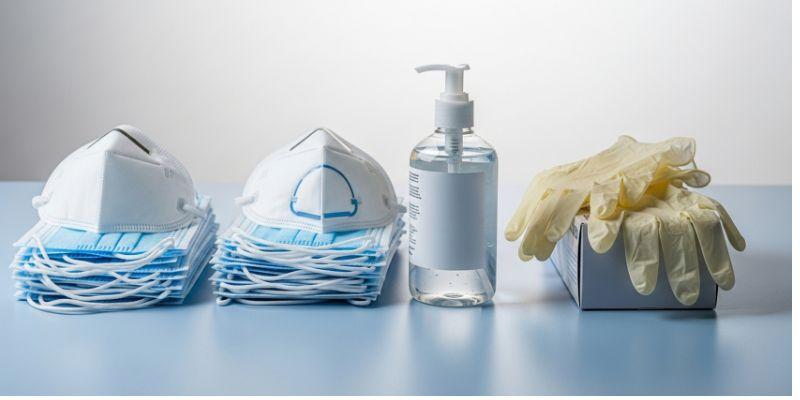
Personal hygiene habits play an important role in reducing the spread of common illnesses. Children encounter germs daily at home, school, playgrounds, and social activities. Teaching proper handwashing helps limit the transmission of infections and gives children a basic understanding of how germs spread.
Regular bathing or showering removes dirt, sweat, and bacteria from the skin. Good dental care helps prevent cavities and gum disease, which can lead to pain, difficulty eating, and future dental treatments. Even small habits, such as keeping fingernails clean or using tissues correctly, lower the risk of infection. When children understand that hygiene protects their health, they are more likely to follow these practices consistently.
Supporting Emotional and Social Development
Hygiene also affects a child’s emotional and social well-being. Children who maintain good personal hygiene often feel more comfortable and confident around others. They are less likely to experience embarrassment related to body odor, unclean clothing, or visible dirt.
Feeling clean and presentable can make social interactions easier and more positive. These experiences contribute to healthy self-esteem and support stronger relationships with peers. Children who recognize how personal care affects social situations often develop a greater sense of personal responsibility. In contrast, poor hygiene can sometimes lead to teasing or social discomfort. Establishing good habits early helps reduce these challenges and supports emotional resilience.
Building Awareness and Self-Care Skills
Hygiene education also helps children become more aware of their changing bodies. As children grow, especially approaching adolescence, they begin to notice physical changes. Early hygiene instruction prepares them for these transitions by explaining why sweating increases, breath changes, or skin care becomes more important.
These conversations open the door to communication during the pre-teen and teenage years. When children learn that caring for their bodies is normal and necessary, they are better equipped to manage changes with confidence and understanding.
Making Hygiene Fun and Manageable
For younger children, hygiene routines can sometimes feel like chores. Making these activities more engaging can encourage cooperation. Parents may use games, colorful toothbrushes, pleasant-smelling soaps, or visual charts to track daily routines. These small adjustments help turn hygiene into a positive experience rather than an obligation.
Allowing children to choose certain personal care items, such as toothpaste or shampoo, can also increase their sense of involvement. When children feel included in these decisions, they are often more motivated to participate consistently.
Modeling Good Habits as Parents
Children learn by observing the adults around them. When parents practice good hygiene themselves, children are more likely to follow. Simple shared activities, such as washing hands together or brushing teeth side by side, reinforce the message that hygiene matters for everyone.
Explaining why these habits are important—for example, why hands should be washed after playing outside or how brushing prevents cavities—helps children make meaningful connections. This approach supports understanding rather than simple compliance.
Encouraging Independence at the Right Pace
Every child learns hygiene skills at their own pace, and patience is essential. Younger children need more supervision, while older children can gradually take on greater responsibility. Forgetting steps or resisting certain routines is common, but consistent encouragement helps children improve over time.
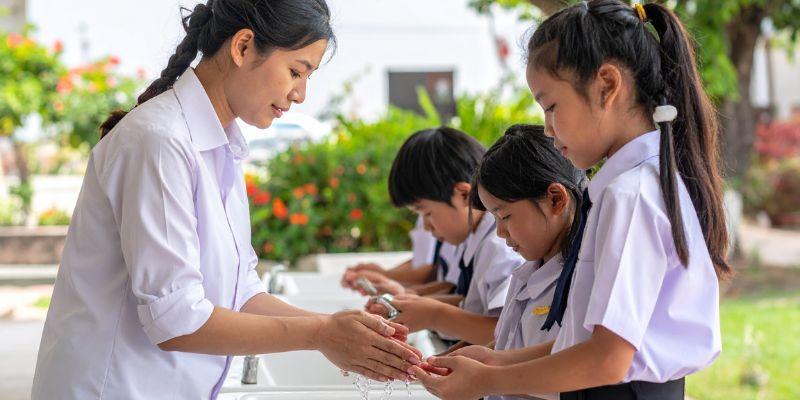
Allowing children to practice independently, even when the process is imperfect, builds confidence. Gentle guidance and positive reinforcement help children feel supported while they learn.
Teaching Respect for Shared Spaces
Hygiene extends beyond personal care to shared environments. Proper use of tissues, clean clothing habits, and maintaining tidy shared spaces help children learn respect for others. These habits contribute to a healthier home and prepare children for social environments such as school and public spaces.
By understanding that their actions affect others, children develop a sense of responsibility and awareness that supports a healthier community.
Conclusion
Teaching children good hygiene habits is an important part of their overall development. These habits protect physical health, support emotional well-being, and create a foundation for positive social interactions. When taught consistently and with patience, hygiene routines become natural behaviors that last into adulthood.
Parents play a central role by guiding, modeling, and explaining the reasons behind each practice. With time, encouragement, and repetition, children come to understand that caring for their bodies is a form of self-respect and an essential part of everyday life.