Life has a talent for showing up with a bill you didn’t invite. A dead battery on a Monday morning. A surprise dentist visit. A slow month at work that suddenly isn’t just “slow.” In those moments, an emergency fund isn’t a financial flex. It’s a relief.
If you’ve been meaning to start one but keep pushing it off, you’re not alone. The idea of saving “months of expenses” can feel distant, especially when your budget already has a tight grip. The good news is you don’t need a huge number to feel the difference. You need a first buffer, a clear place to keep it, and a plan that keeps growing even when life gets busy.
Know What You’re Protecting, Not Just What You’re Saving
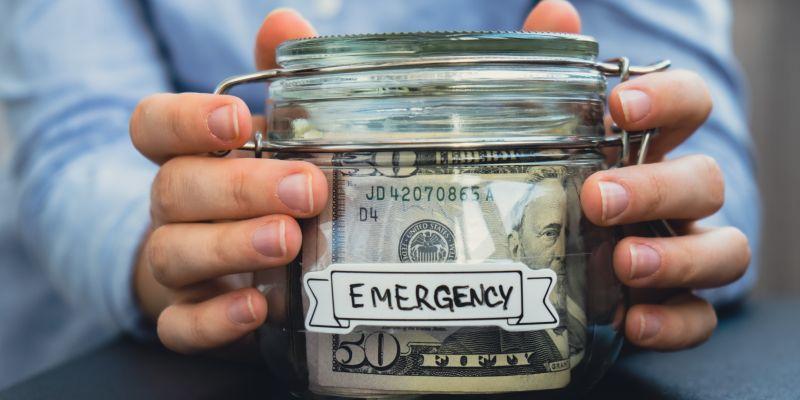
An emergency fund is less about “saving money” and more about protecting your life from getting knocked off track. It buys you time when something breaks, someone gets sick, or income dips unexpectedly. That time is what keeps a bad week from turning into a long, expensive mess.
It also keeps you from making stressful choices in a hurry. When you have cash set aside, you can handle the moment, then decide your next move with a clear head. That’s the real payoff. Not the balance. The breathing room it creates.
To keep it working, be honest about what it’s for. Emergencies are urgent, necessary, and unplanned. A routine car service is not. A planned trip is not. If you want those things too, great. They just belong in a different bucket.
Choose A Target That Matches Your Life
The fastest way to quit is to pick a number that feels impossible. Start with a starter buffer you can actually reach, like one small bill that would normally push you into panic mode. Think of it as your first layer of armor, not your final destination.
Next, choose a bigger target based on your real monthly essentials. Rent or mortgage, utilities, basic groceries, minimum debt payments, transport, and any other must-pay bills. Ignore the “nice-to-haves” for this step. Your goal is to cover the version of life you can live temporarily.
Once you know that monthly essentials number, build in stages. One month is a win. Two months is strong. Three months is a different kind of calm. If your income is variable or you support others, you may aim higher over time, but you don’t have to start there.
Give The Money Its Own Address
If your emergency fund sits in the same account you use for everyday spending, it will quietly disappear. Not because you’re careless, but because life is full of little “just this once” moments. A separate home for the money creates a healthy distance.
Look for an account that is safe and easy to access when you truly need it. A basic savings account works well, especially one at a bank you already trust. The key is that it’s not tied to your debit card and not mixed in with bill money.
Make it feel official. Name the account “Emergency Fund” if your bank allows labels. That tiny detail matters more than it seems. It turns the fund into a boundary, not a suggestion, and it makes every deposit feel like progress you can actually see.
Find The First Wins In Your Cash Flow
Most people don’t need a dramatic budget makeover to start saving. They need a few quick wins that free up cash without making life miserable. Start by scanning the last month of spending and spotting the quiet leaks, the ones you barely notice until you add them up.
Look for one or two easy changes you can repeat. A subscription you forgot about. A week of takeout, you can swap for a simple grocery run. A bill you can renegotiate or a plan you can downgrade. The point is not to be perfect. It’s to create a gap.
Even a small gap changes your momentum. Once you know you can reliably find $25, $50, or $100, saving stops feeling like a wish and starts feeling like a habit. Those early deposits matter because they prove the fund can grow in real life, not just on paper.
Automate Small Deposits Until They Feel Boring
Willpower is a shaky strategy, especially when your month is already packed. Automation makes the decision once, then repeats it quietly. Set up a recurring transfer from checking to your emergency fund on payday, or a day or two after, when the money is actually there.
Start with an amount that won’t trip you up. It might be $10 a week. It might be $25 per paycheck. What matters is that it happens whether you feel motivated or not. If you get paid irregularly, automate a baseline and add extra on better weeks.
As your balance grows, adjust the transfer the way you’d turn up a dimmer switch. Small increases are easier to keep than big promises. After a few weeks, the deposit starts to feel normal, and that’s when the fund really begins to build speed.
Create Simple Rules For When To Use It
The hardest time to decide what “counts” as an emergency is when you’re already stressed. So set the rule while things are calm. An emergency is urgent, necessary, and unexpected. If it can wait, it’s usually not urgent. If it’s optional, it’s usually not necessary.
Give yourself a quick filter before you pull money out. Will this expense cause real harm if I don’t pay it now? Do I have any other safe option first? If the answer is yes to the first and no to the second, that’s what the fund is for.
One more rule makes the whole system stronger: when you use it, you refill it. Treat rebuilding as the next bill you pay, not a vague goal. That way, the fund stays ready for the next surprise, instead of turning into a one-time rescue.
Level Up And Keep It Ready
Once your starter buffer is in place, the next phase is about depth. Move from “I can handle a surprise bill” to “I can handle a rough month.” Keep using the same deposit rhythm, but let your target climb in steps: one month of essentials, then two, then three.
Life changes, so your emergency fund should keep up. A rent increase, a new baby, a move, or a shift to freelance work all change what “enough” looks like. Check in a couple of times a year and update your essentials number so the fund still fits your reality.
Then protect the fund from being too clever. The job is readiness, not maximizing returns. Keep it liquid and easy to reach, and resist moving it into anything that could drop in value when you need it most. Calm access is the feature you’re paying for.
The Bottom Line
An emergency fund doesn’t start with a huge goal. It starts with a decision and a first deposit. You picked the purpose, set a target that fits your life, gave the money its own home, found room in your cash flow, and made saving automatic. That’s a real system.
The best part is how quickly it changes your day-to-day. Even a small buffer takes the edge off, because you’re no longer one surprise away from scrambling. You’re building options, week by week, without needing perfect months.
If you want one action to take right now, make a transfer today, even if it’s modest. Then schedule the next one and let it repeat. The balance will grow, and so will your sense of control the next time life tries to interrupt your plans.