Jackson Hole doesn’t try to be a postcard. It just happens to look like one. In winter, the valley settles into a kind of raw quiet that doesn’t chase attention. Snow falls differently here—slower, heavier, more certain. The peaks surrounding the town, especially the Tetons, don’t soften in the cold. They sharpen. It’s not built for ease, but that’s part of why people keep coming.
The airport sits just eight miles from town, and arrivals in December often get a front-row seat to low clouds scraping the mountains. Visibility drops, landings get delayed, and rental cars move more slowly than expected. But once you're in, everything tightens up. Drivers heading toward Teton Village should expect short-notice road closures after a storm. Conditions can shift within an hour. It's not uncommon to leave Jackson on dry pavement and hit a full whiteout near Moose Junction.
Teton Village and the Pricing Curve
Ski season here doesn't follow a flat rate. Prices hit their peak over the holiday stretch—mid-December through early January—and again during Presidents' Day week. Lodging near the base of the tram often books out months in advance, even for midweek stays. Some visitors will try to hedge by watching prices through early November. It works occasionally, but only if the snow outlook is below average. When the forecast looks promising, especially for early powder, rooms can jump 40 percent overnight.
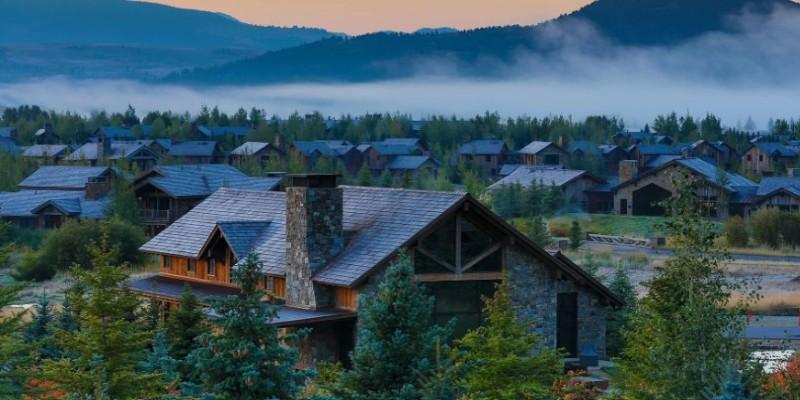
Travel agents working in Jackson Hole often stagger bookings between downtown Jackson and the village. Downtown hotels tend to offer better cancellation terms and easier parking. The tradeoff is a 20-minute drive to the lifts. That’s fine for skiers planning shorter days, not ideal for anyone chasing first chair.
Lift ticket patterns reflect the broader market. Jackson Hole Mountain Resort now uses dynamic pricing, which means the price on Monday could be $30 more than it was on Sunday, even for the same snow conditions. Week-of bookings almost always land above $200 per day. Multi-day passes shave off some cost, but only if booked well in advance. Ikon Pass holders get access, but must reserve in advance—and reservations do run out, especially after storms.
Traffic, Timing, and Tactics
Jackson Hole doesn’t have a traffic problem in the traditional sense. It has a bottleneck problem. Roads between town and Teton Village are narrow, with limited alternate routes and poor shoulder clearance during storms. A small accident on Highway 390 can turn a 15-minute drive into an hour-long crawl. Most locals know to avoid commuting between 7:30 and 9:00 a.m. if snow is falling. Visitors tend to learn that lesson late.
For anyone flying in, baggage delays increase during peak weeks, especially when multiple Denver and Salt Lake flights land close together. The airport isn’t large enough to move three planeloads of skis quickly. Many seasoned travelers ship gear ahead using ski-specific carriers, which cuts hassle but adds cost. Timing matters. Gear arriving even one day early can sit in the resort mailroom until someone requests it—same-day access isn’t guaranteed unless you call ahead.
Grocery stock issues can surprise first-time visitors. Jackson’s main grocers get overwhelmed after holiday weekends. Essentials like produce and dairy run low during storms, especially if roads close between Idaho and Wyoming. Snowplow disruptions along Teton Pass can slow shipments by several hours. For travelers staying in vacation rentals, it’s smart to buy food on the way in rather than waiting until after check-in. Delivery services exist, but fill up fast after 4 p.m. on Saturdays.
Where Does the Experience Stay Personal?
Most mountain towns market the idea of untouched snow and quiet trails. Jackson Hole rarely markets at all. Yet the experiences it offers feel more grounded than most. Cross-country skiing near the Snake River delivers long views and few people. Rentals at Cache Creek trailhead are less crowded than the more advertised Nordic centers. Snowshoeing in Grand Teton National Park doesn’t require a guide, just a pass and common sense. You’ll often find yourself alone within a mile of the trailhead.
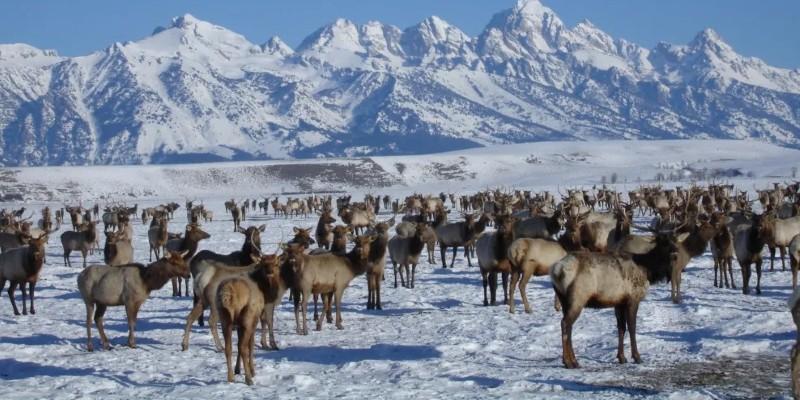
Guided wildlife tours continue through winter, though routes shift depending on snowpack. Elk sightings are common near the National Elk Refuge, but more interesting moments happen near Kelly, where bison sometimes block the road entirely. Photography groups tend to favor sunrise sessions in January when the light hits the Tetons low and gold. Tripods freeze. So do fingers. But for the right traveler, it’s worth it.
Dining in town skews early during winter. Wait times spike between 6:00 and 7:30 p.m. Even places without reservations fill up fast when the mountain closes early due to wind. The workaround isn’t a secret—show up before 5:30 or after 8:00. For travelers wanting a slower meal, some of the less central spots just outside downtown Jackson tend to hold tables longer. Locals favor these when the core gets too packed.
The weather has a way of forcing changes. Snowstorms delay lessons. Ice on the walkways near the base lodge sends people to the clinic every year. Power outages can happen during heavy wind events. In these moments, the town doesn’t pretend to be anything other than what it is—remote, rugged, and a bit unpredictable.
Conclusion
The appeal isn’t about comfort. It’s about how honest the place feels when covered in snow. Travel logistics can frustrate first-timers, especially when the expectation leans toward a smooth, all-inclusive experience with no unexpected delays or weather-related setbacks. There are delays. Plans get rewritten. But the things that do work—the terrain, the views, the quiet at dusk—tend to land deeper. Jackson Hole in winter doesn’t try to be easy. It rewards preparation and adaptability. For travelers valuing the feeling of being somewhere untouched by over-management, it offers something harder to price. Something that still feels real.