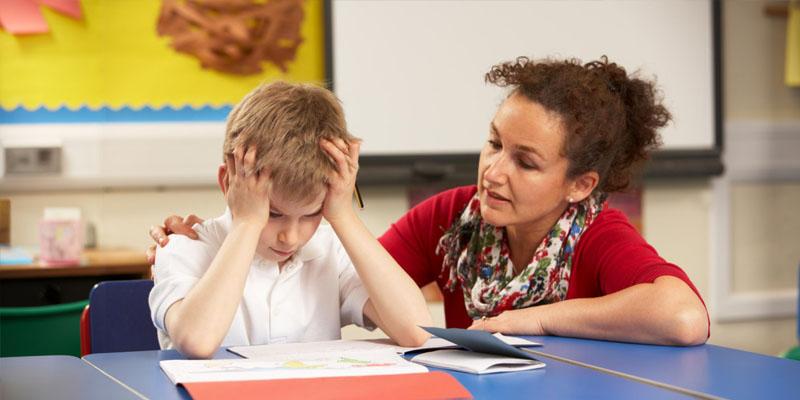
Loss and grief affect children in ways that often look very different from adult experiences. Children do not usually grieve in a steady or predictable pattern. Instead, their emotions may come and go in waves, shifting quickly between sadness, confusion, anger, curiosity, or even moments of playfulness. These changes can be confusing for adults, but they are a normal part of how children process emotional experiences.
Understanding these patterns is an important part of child grief support. Children are still developing emotional awareness, language skills, and coping abilities. Because of this, grief may show up through behavior, mood changes, or physical symptoms rather than clear verbal expression. Supporting children through loss requires patience, flexibility, and a willingness to meet them where they are emotionally.
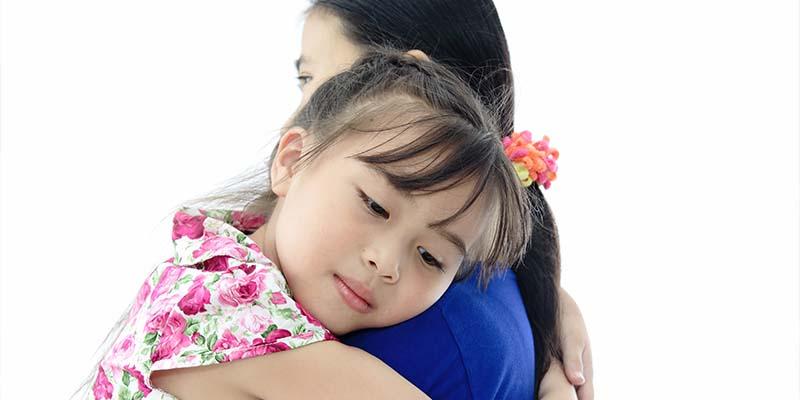
Helping children process loss is not about fixing their feelings or making grief disappear. It involves creating a safe emotional environment where children feel supported, heard, and reassured as they learn to cope with loss over time.
How Children Experience Grief
Children experience grief differently depending on their age, developmental stage, and personal understanding of loss. Younger children may not fully understand that loss is permanent, which can lead to repeated questions or expectations that the person or situation will return. Older children may understand permanence but struggle with deeper emotions such as guilt, fear, or anger.
Grief often appears through behavior rather than words. Changes in sleep patterns, appetite, concentration, or school performance may signal emotional distress. Some children become withdrawn, while others may appear more irritable or emotionally sensitive. Recognizing these responses as part of grief helps caregivers provide emotional support for children rather than misinterpreting these changes as behavioral problems.
Child grief support begins with observing patterns and responding with care. Emotional reactions may come and go, and children may revisit grief as they grow and gain new understanding.
The Importance of Honest Communication
Honest, age-appropriate communication helps children make sense of loss. Using clear and simple language allows children to understand what has happened without becoming overwhelmed. Avoiding vague phrases or euphemisms can reduce confusion, particularly for younger children who may interpret language very literally.
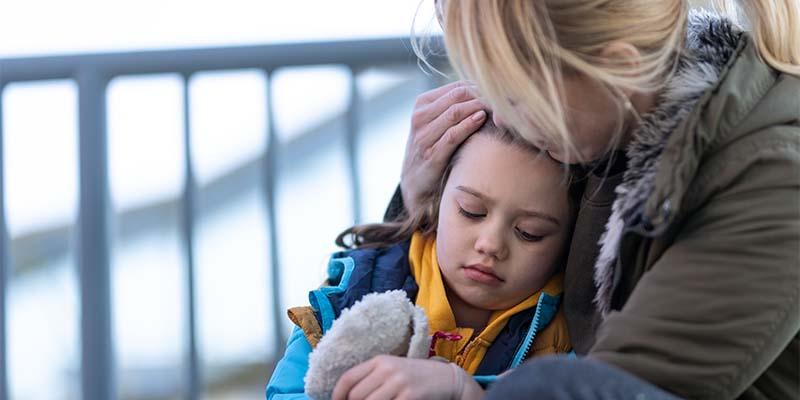
Answering questions truthfully builds trust and security. Children often ask the same questions repeatedly as they try to process information. Responding with patience helps them feel safe and reassured. It is acceptable to admit when an answer is not known, as honesty supports emotional safety.
Open communication supports coping with loss by allowing children to explore their feelings without fear of upsetting adults. When children feel safe asking questions, they are more likely to process grief in healthy ways.
Creating Space for Emotional Expression
Children need opportunities to express emotions in ways that feel natural to them. Some children talk openly about feelings, while others express emotions through play, drawing, storytelling, or physical activity. Allowing these different forms of expression supports emotional support for children without forcing them into adult-style conversations.
Listening without correcting or minimizing feelings is essential. Statements that dismiss emotions, even with good intentions, may make children feel misunderstood. Validating emotions helps children feel seen and supported.
Creating space for emotional expression helps children learn that feelings are acceptable and manageable. This understanding supports resilience and emotional growth over time.
Maintaining Routines and Stability
Routine provides a sense of safety and predictability during periods of loss. Familiar schedules help children feel grounded when emotions feel uncertain. Maintaining routines around meals, school, and bedtime supports emotional regulation and reduces anxiety.
At the same time, flexibility remains important. Children may need extra rest, comfort, or reassurance as they adjust. Allowing space for emotional needs within routine helps balance structure and compassion.
Routine supports coping with loss by reminding children that life continues in manageable ways, even during emotional change.
Supporting Emotional Regulation
Strong emotions can feel overwhelming for children who are still learning how to identify and manage feelings. Helping children name emotions such as sadness, anger, or confusion supports emotional awareness and understanding.
Teaching simple calming strategies can help children during moments of distress. These may include slow breathing, quiet activities, or sitting together for comfort. These approaches support emotional support for children without pressuring them to suppress emotions.
Supporting emotional regulation helps children develop skills that will serve them beyond grief. These skills contribute to long-term emotional health.
Modeling Healthy Grief Responses
Children learn how to respond to emotions by observing adults. Modeling healthy emotional expression shows children that grief is a natural response to loss. Sharing feelings in age-appropriate ways helps normalize emotional experiences.
Adults do not need to hide sadness completely. Showing that emotions can be expressed and managed teaches children that grief and healing can exist together. This modeling supports long-term coping skills.
Healthy modeling reassures children that they are not alone in their feelings and that emotional expression is acceptable.
Responding to Behavioral Changes
Grief can lead to behavioral changes such as regression, increased dependency, irritability, or withdrawal. These responses are common and often temporary. Responding with patience and understanding supports recovery more effectively than punishment or criticism.
Consistency in caregiving helps children feel secure during emotional transitions. Gentle reassurance and emotional availability help children regain balance over time.
Recognizing behavioral changes as part of coping with loss allows caregivers to respond with empathy rather than frustration.
Encouraging Remembrance and Meaning
Remembering what has been lost can support healing and emotional integration. Sharing memories, telling stories, or creating small keepsakes helps children maintain a sense of connection while processing grief.
Honoring special dates or routines associated with the loss may also provide comfort. These practices help children understand that remembering does not prevent healing.
Encouraging remembrance supports coping with loss by helping children integrate grief into their understanding of life rather than avoiding it.
When Additional Support May Be Helpful
Some children may need additional support beyond family guidance. Persistent sadness, anxiety, behavioral changes, or withdrawal that does not improve over time may signal the need for professional support.
Mental health professionals trained in child grief support can offer guidance tailored to a child’s developmental stage. Seeking help is a supportive step rather than a sign of failure.
Early support can prevent long-term emotional difficulties and strengthen coping skills.
Supporting Long-Term Emotional Health
Grief does not follow a set timeline. Children may revisit feelings as they grow and develop new understanding of the loss. Ongoing emotional support for children helps them process grief as their perspective changes.
Maintaining open communication and emotional availability over time supports resilience. Children benefit from knowing that they can return to these conversations whenever they need.
Long-term support helps children build emotional strength and adaptability.
Additional Ways Caregivers Can Support Children Through Grief
Before concluding, the following practical approaches may further support child grief support and emotional well-being:
- Allow children to lead conversations about the loss rather than forcing discussion
- Reassure children that their feelings are normal and accepted
- Avoid placing expectations on how grief should look or how long it should last
- Provide reassurance that they are cared for and supported
- Stay attentive to changes in behavior, mood, or routines over time
These approaches reinforce emotional support for children by prioritizing safety, patience, and understanding.
Final Thoughts
Helping children process loss and grief requires patience, honesty, and compassion. Child grief support focuses on understanding how children experience emotions and providing a safe space for expression. Coping with loss becomes more manageable when children feel supported, heard, and reassured.
By offering consistent emotional support for children, maintaining routines, encouraging expression, and seeking additional help when needed, caregivers can help children navigate grief while supporting long-term emotional well-being. Grief may change over time, but supportive relationships help children grow through the experience rather than facing it alone.